Urban Agriculture at The Stop

The Stop’s urban agriculture programs bring people together across Toronto to grow food, share knowledge, and strengthen community connections. From our year-round Green Barn at 601 Christie St. to community gardens in neighbourhoods across the city, participants learn how to grow and harvest fresh produce, care for plants, and build skills that can be taken home and shared.

0

varieties of seedlings grown for our Seedling Giveaway Program

0

gardens supported with seedling distribution

0

seedlings cultivated for partner community gardens

0 sq. km

of land across the city is covered by community gardens we partner with

Community Gardening at The Stop

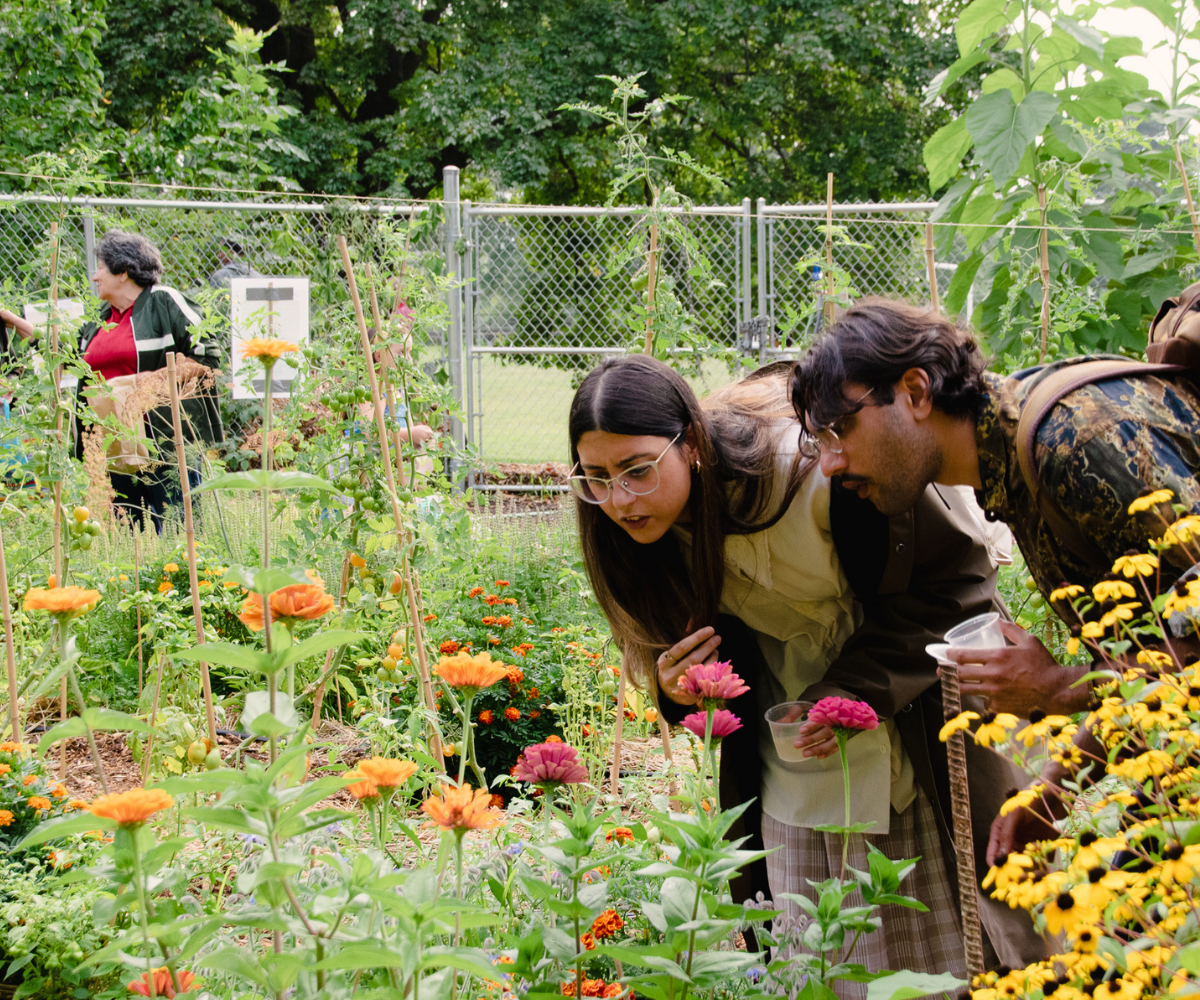
Our greenhouse, sheltered garden, and partner community garden sites across the city provide year-round growing spaces and an inspiring environment for the community to learn and share agricultural knowledge.

Gardens

The Stop's Green Barn

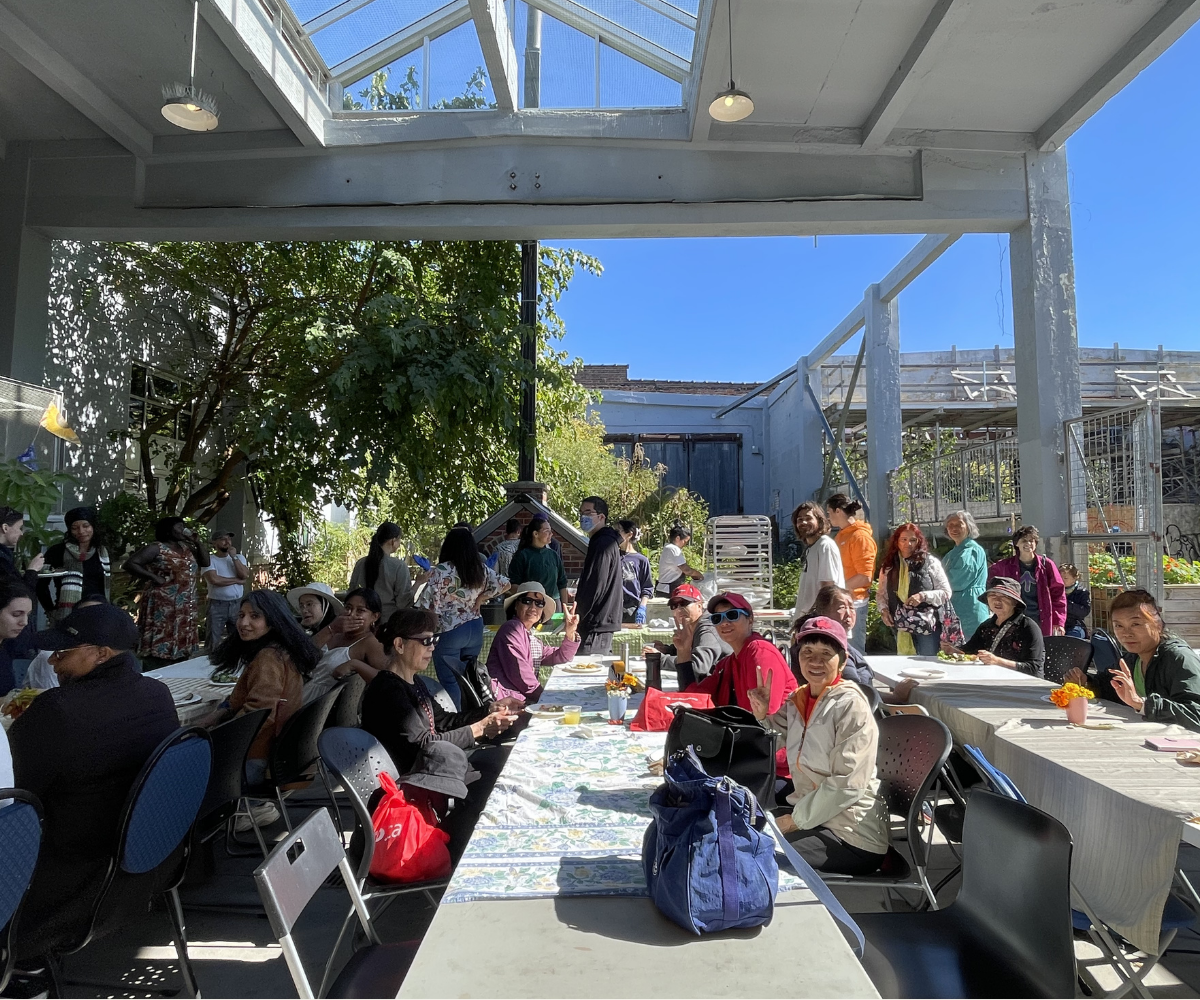
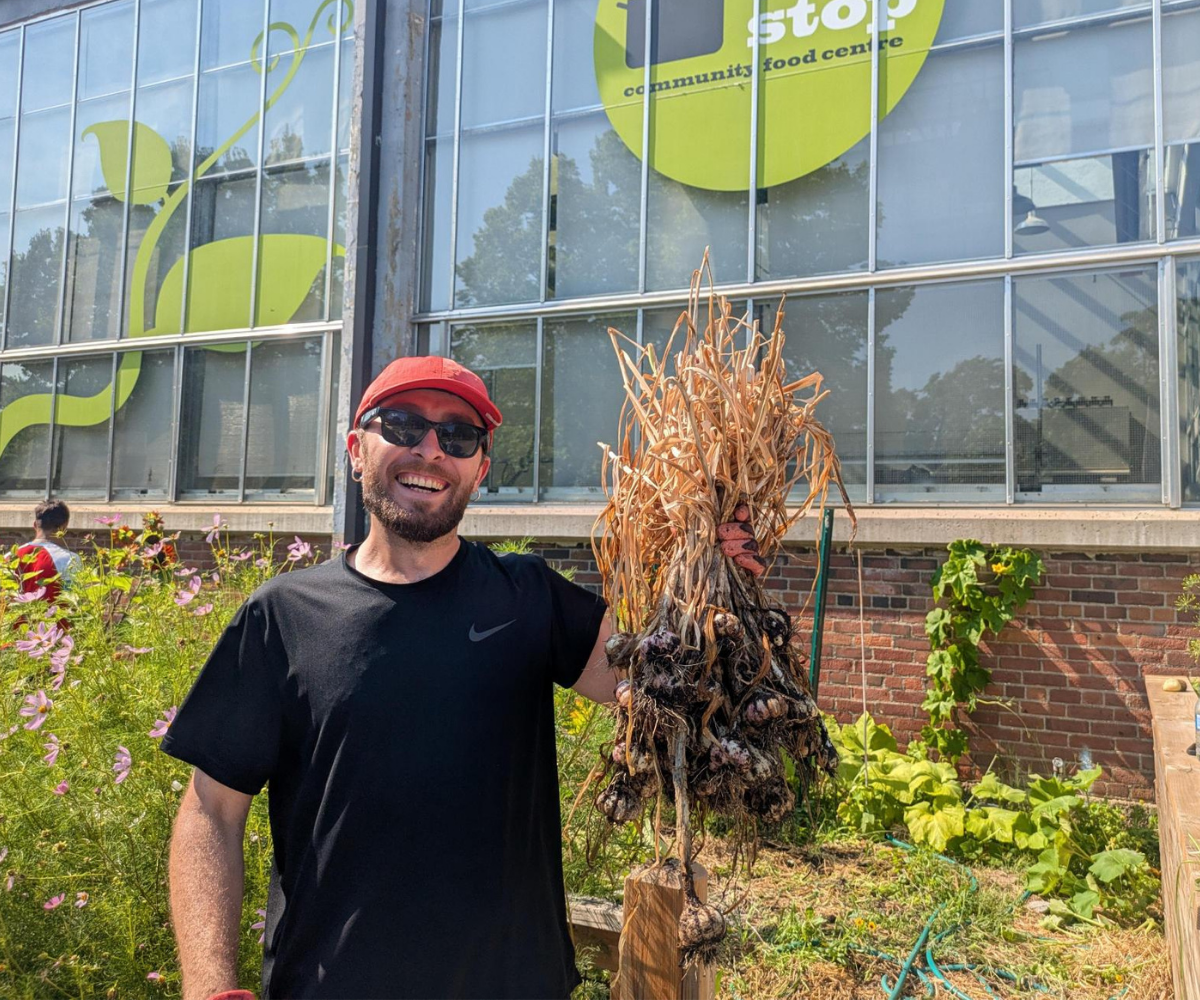
The Stop’s Green Barn at 601 Christie St. is a unique urban agriculture hub in Toronto. It offers a greenhouse, community gardens, a bake oven, a compost demonstration centre, and our year-round Farmers’ Market. 

Growing plants, spending time with others in a safe and supportive environment, being active outdoors and bringing home healthy produce harvested from the garden can also contribute to positive mental health outcomes. 

We enable community members to gather, learn how to grow their own food, and spend time in nature in our growing spaces. 

Gardens

Earlscourt Garden

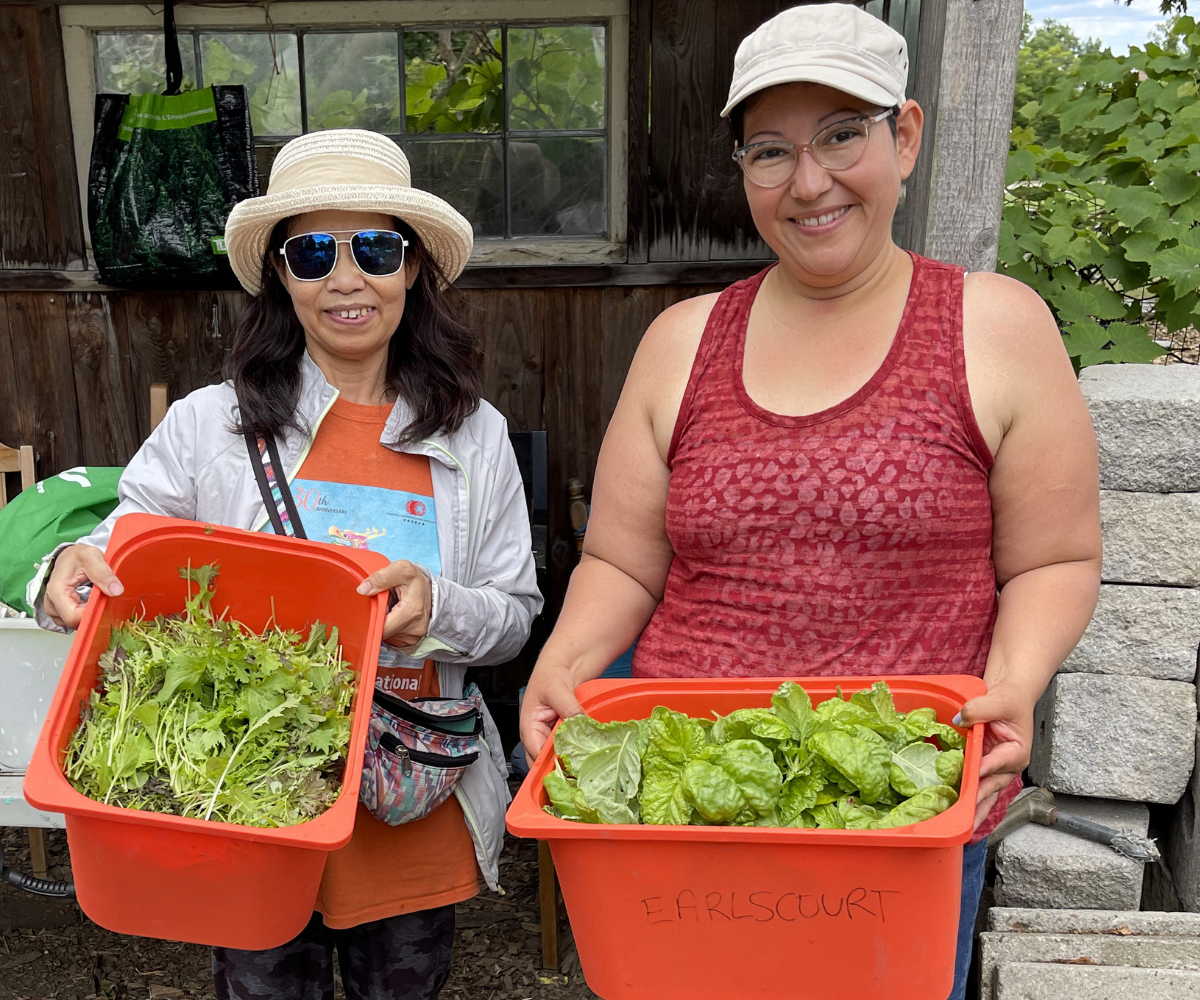
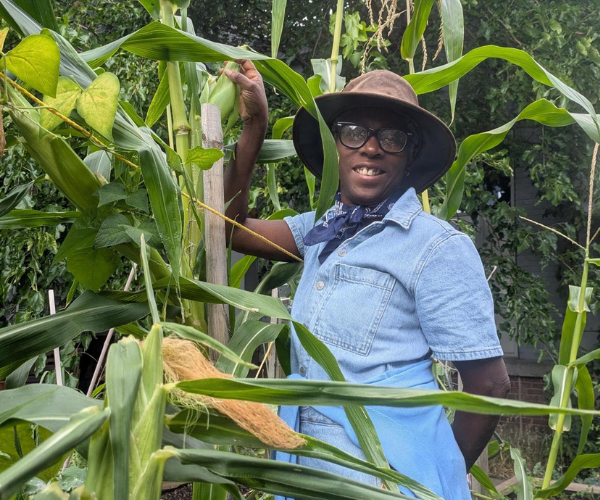
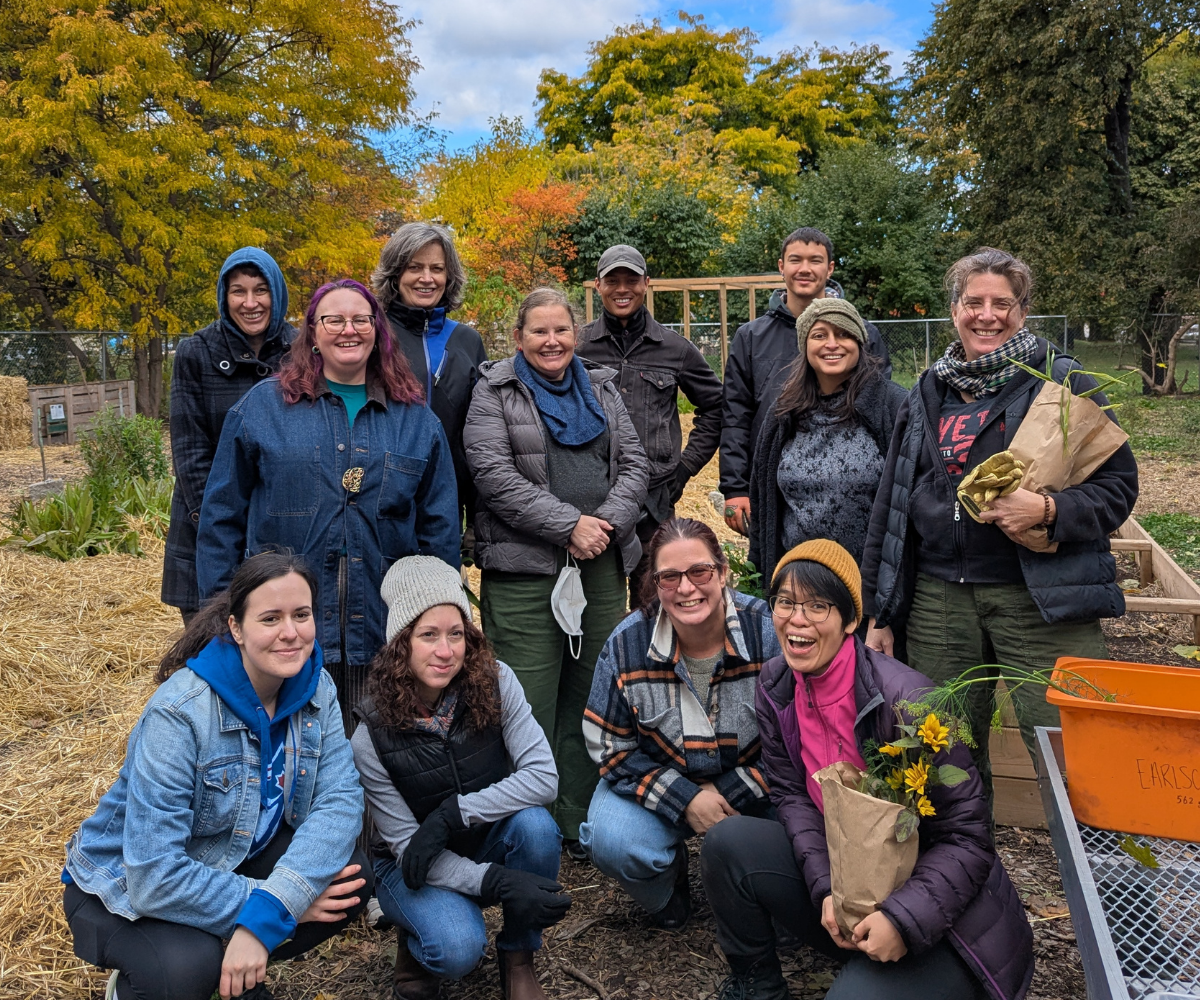
The Stop’s Earlscourt Community Garden is a bright oasis nestled in Earlscourt Park at 1200 Lansdowne Ave. Together, with members of community, we participate in all aspects of gardening, from design, setup, planting and harvesting to maintenance and winter closure. 

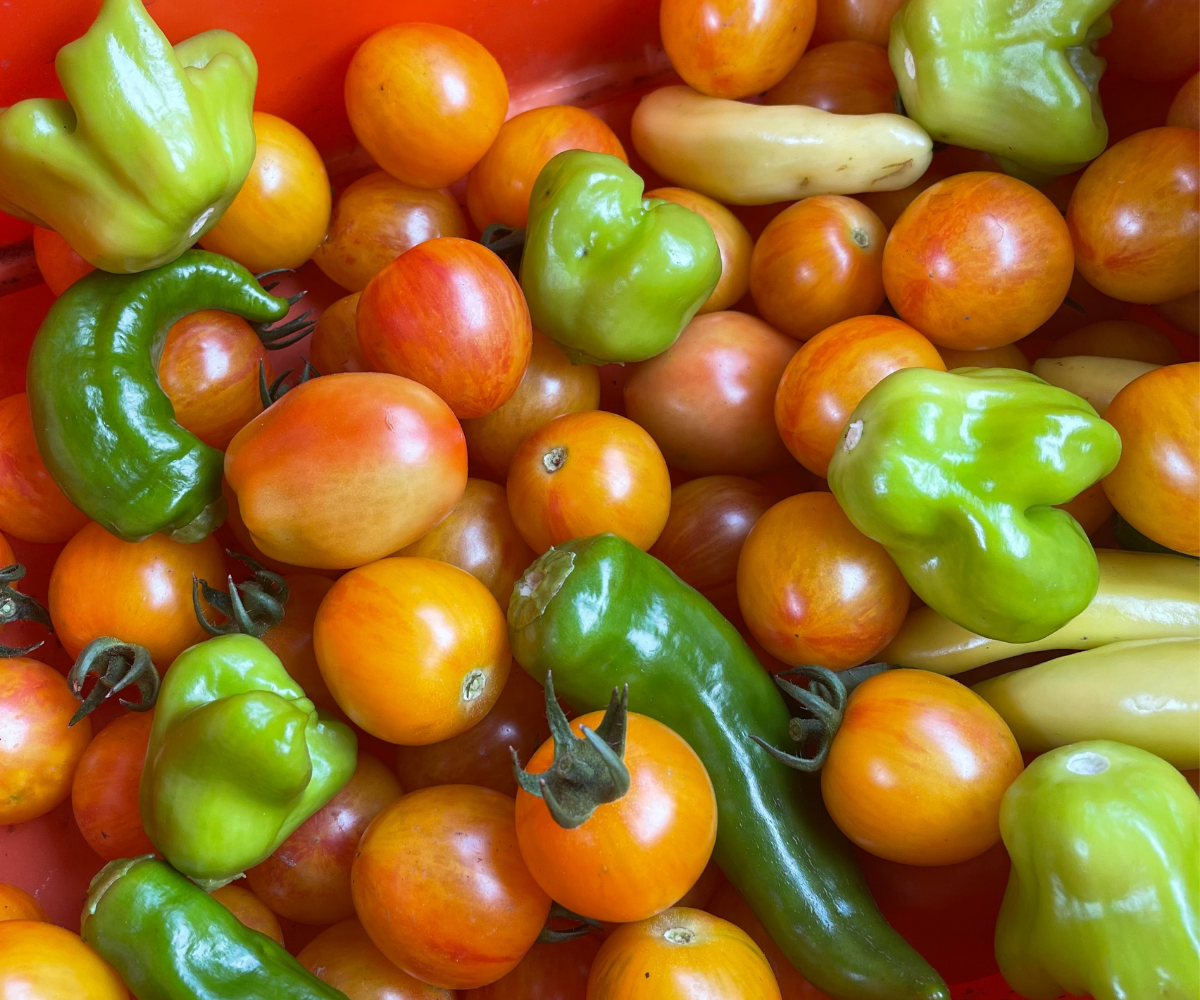
What we harvest is shared amongst the community participants and our various programs within The Stop. 

Earlscourt Garden is more than just growing nutritious food, it offers a break from the daily city grind and grows our community too. 

Urban Agriculture Program

Global Roots Program

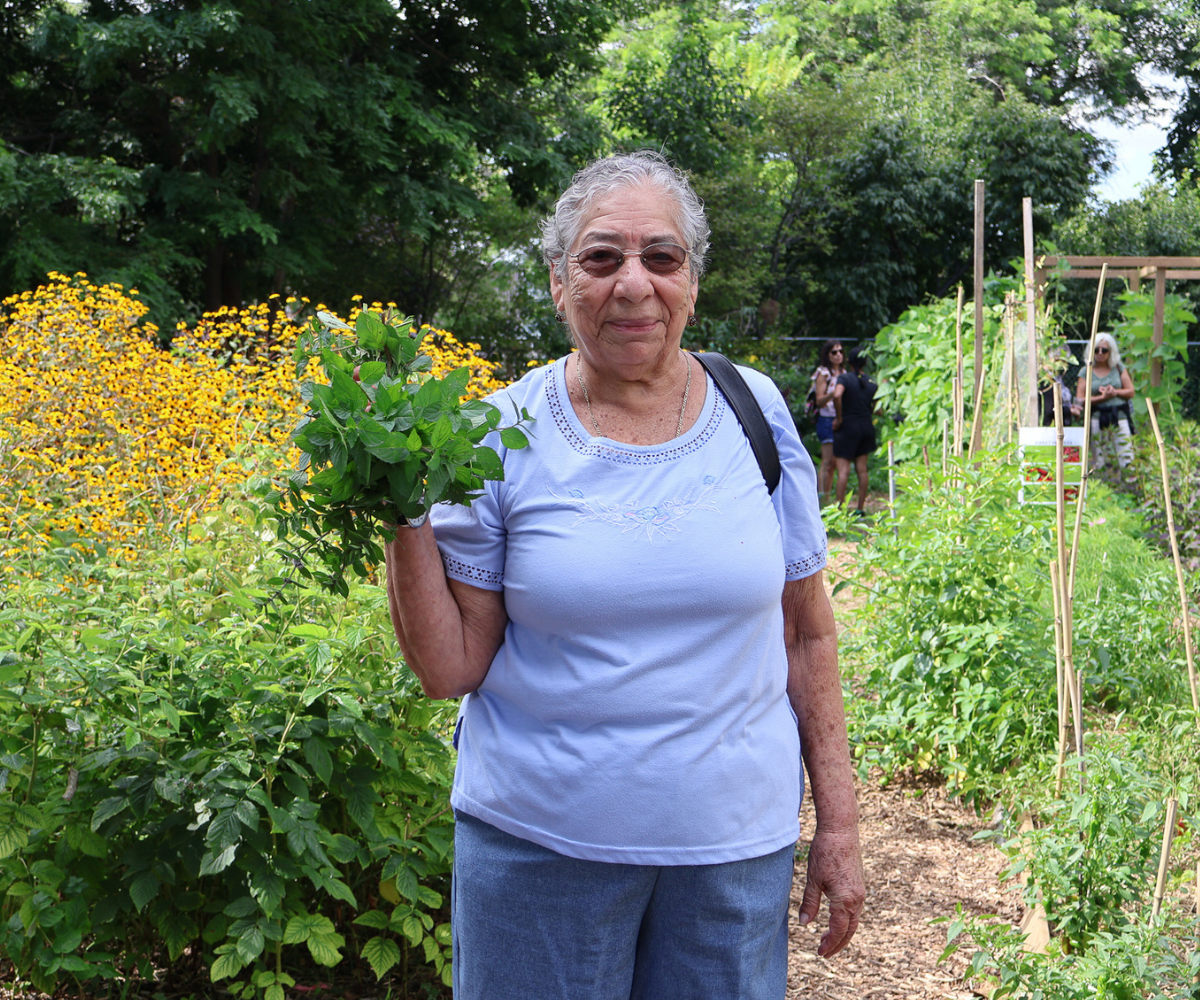
In partnership with CultureLink, this intergenerational urban farming program at 601 Christie St. brings newcomer youth and seniors together to learn and practice gardening, growing food, environmental stewardship and healthy cooking.

The idea is simple: seniors are in charge of the gardens, young recruits do gardening work, and they share their wares and cultural knowledge amongst themselves before and after harvesting, also giving some produce to our other programs such as our food bank and drop-in.

Urban Agriculture Program

Seedling Giveaway Program

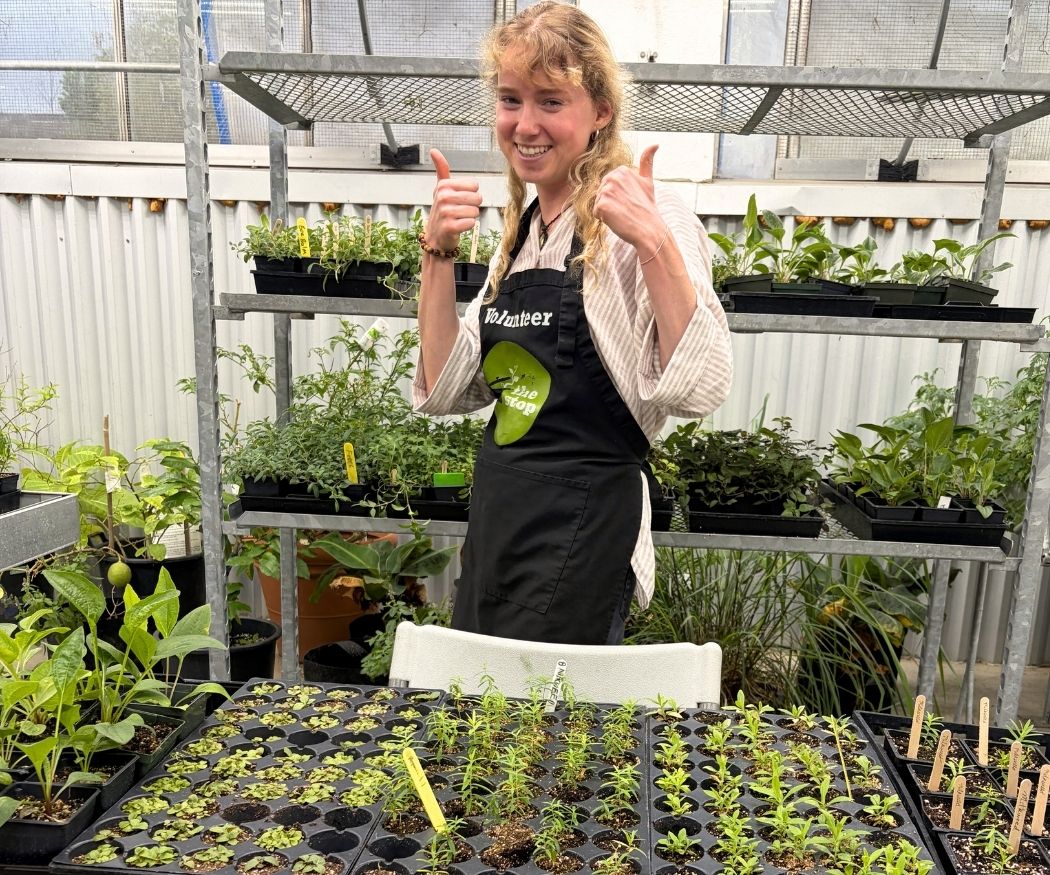
The Stop’s Seedling Giveaway Program provides thousands of organically grown seedlings each spring to support community food growing across Toronto. Grown in our greenhouse, these seedlings increase access to fresh, healthy produce and strengthen local food systems.

The program expands access to food-growing opportunities by supporting both community gardens and individual growers. It enables community organizations to cultivate shared garden spaces that provide fresh produce at no cost, while also supporting individuals to grow their own food and and strengthen sustainable food practices in their communities.

Social Enterprise

10 Metre Greens

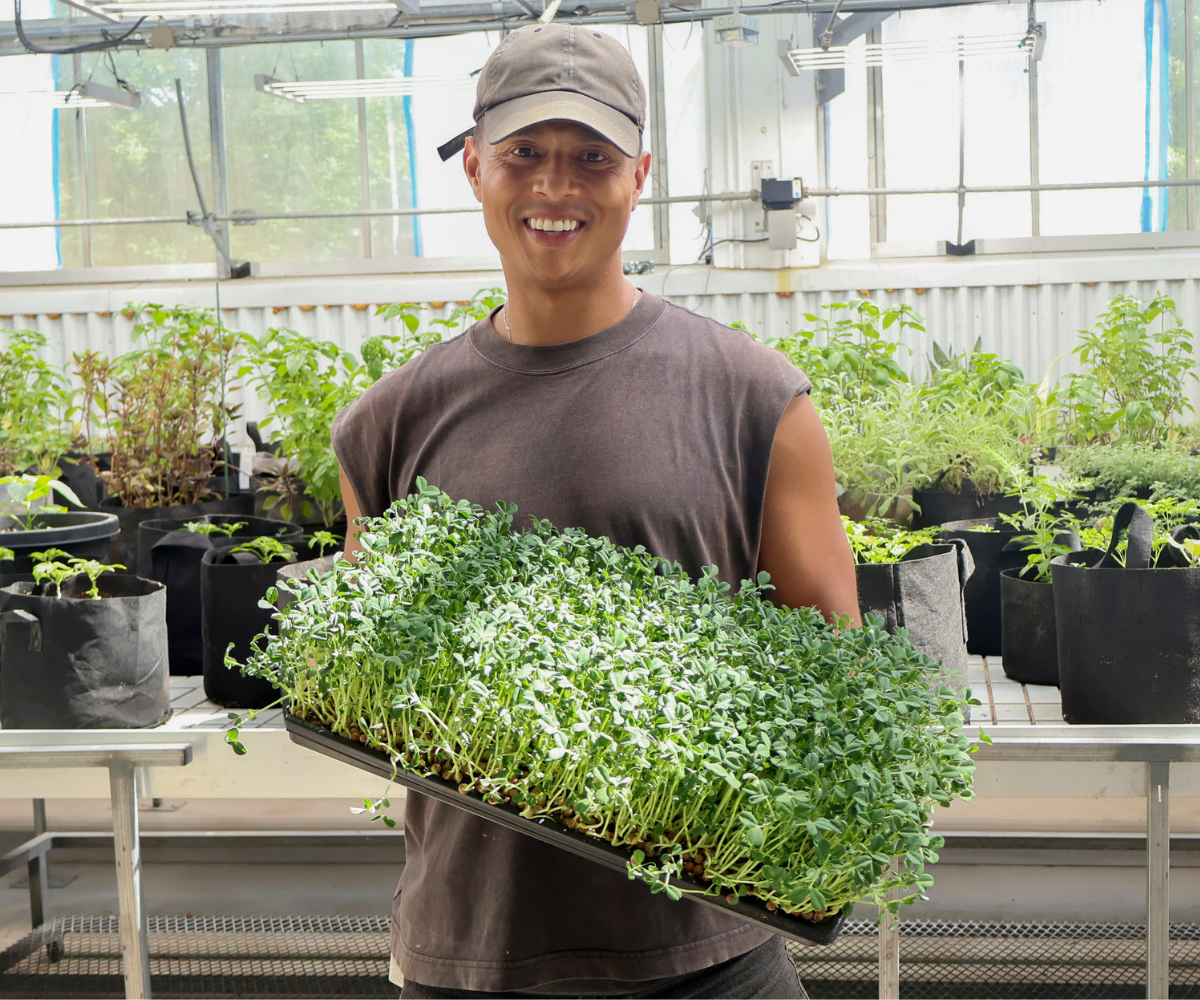
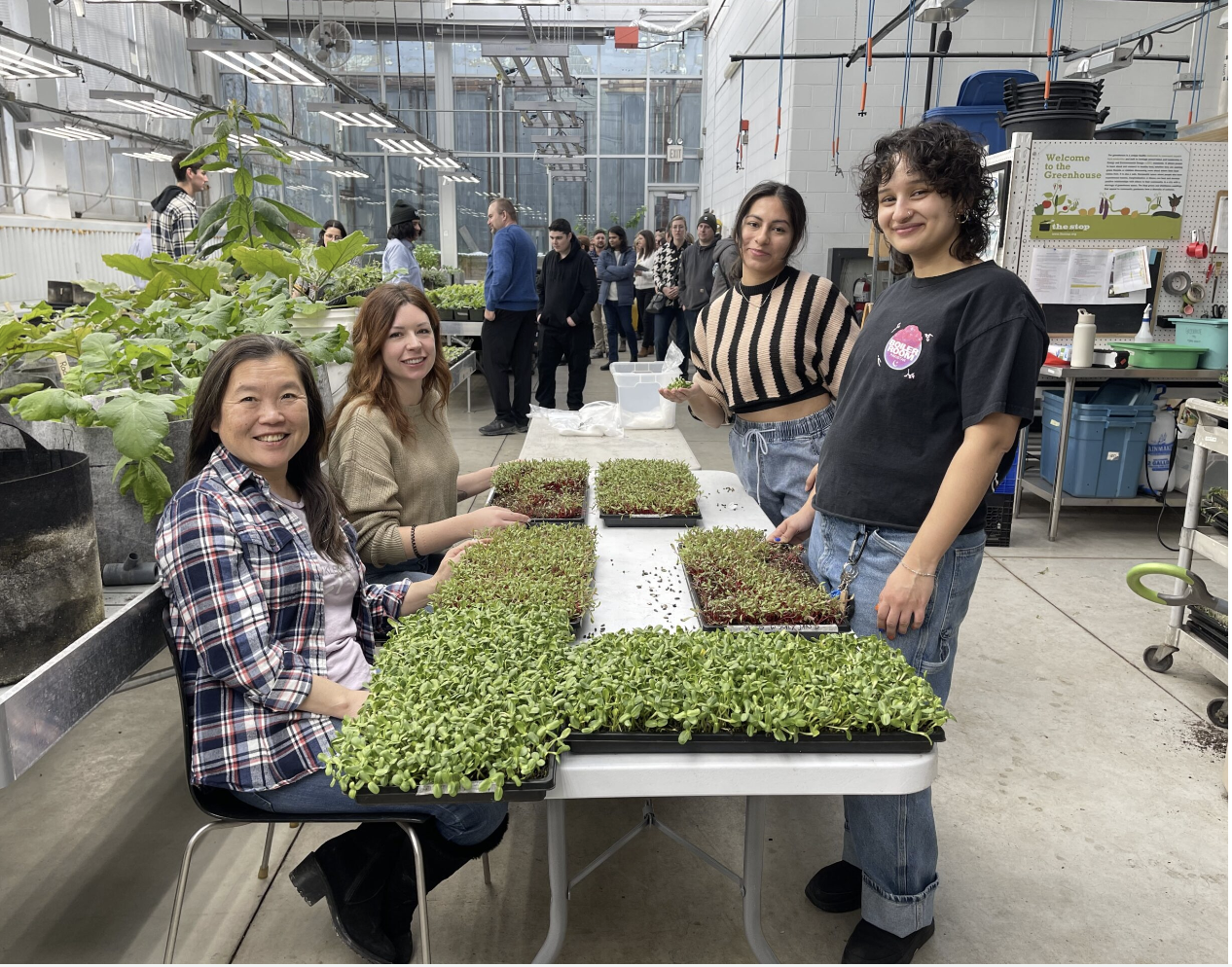
10 Metre Greens, The Stop’s social enterprise, offers community members hands-on training and mentorship to cultivate, grow, harvest and sell organic microgreens. You can find them at The Stop’s Farmers’ Market every Saturday from January through March, and at Karma Co-op.

10 Metre Greens offers a hands-on learning environment where participants gain professional agricultural skills, form meaningful connections, and play a vital role in advancing sustainable food access. Support local and make a difference.

Shop our 10 Metre Greens to add fresh flavour and nutrition to your salads, entrées, and smoothies while supporting a healthier, more equitable community.

I meet nice people and share experiences with them. I can talk to people. Toronto is a big city and I feel alone sometimes. [Here] I’m involved with something and the garden is alive. You can bring some tomato, salad or callalloo home and they smell good and fresh and you’re proud of something. It’s life.

Community Gardens Program Participant

If you were to ask me what (is) one thing I love about the Earlscourt Garden in particular, it’s the opportunity to interact with and learn about best practices and plant properties from our wonderful band of volunteers who come from different parts of the world, from Turkey to Mexico, from China to Indigenous South America.

Earlscourt Garden Participant

Ways To Get Involved

Group Volunteering at The Stop

Bring your workplace, school, or community group together for a meaningful day of giving back in our urban agriculture spaces.

Group volunteer opportunities may include gardening, seasonal planting and harvesting, site maintenance, and supporting projects that help us grow fresh food for the community.

Rent Our Space

Our Green Barn space is available for select meetings, workshops, community gatherings, and special events.

Nestled within Wychwood Barns, our space offers a unique setting that celebrates food, nature, and community. Rental opportunities vary throughout the year and are subject to availability.


Attend an Urban Agriculture Workshop

Throughout the year, we offer Urban Agriculture workshops on topics such as seed starting, composting, food growing, seasonal gardening, and more.

Whether you're new to gardening or looking to expand your knowledge, our workshops provide hands-on learning in a welcoming community environment.

Community Gardens

Partner Organization

Na Me Res

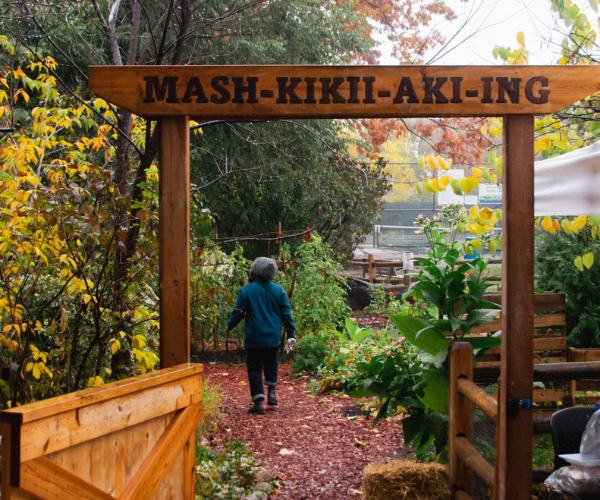
We support the Sagatay program from Na-Me-Res (Native Men’s Residence) in animating the garden at Hillcrest Park, which includes the Mashkikii;aki’ing (Medicine Earth) Medicine Wheel Garden. This partnership provides the men of the Apaenmowineen (Having Confidence in Oneself) program the opportunity to share teachings and learn more about plant medicine, gardening, and healthy living. 

This program aims to reduce social isolation and cultural dislocation by giving Indigenous individuals access to land and share traditional growing practices.